MIPI DSI explained: Future-proofing display connectivity for automotive and embedded systems
Display technology has advanced rapidly over the past decade. High-resolution TFT, and AMOLED panels are now used across automotive HMIs, embedded systems, professional equipment and industrial control interfaces where users expect sharp graphics, responsive interaction and increasingly sophisticated visual experiences.
The interface connecting the display to the host processor has to keep pace.
Traditional parallel RGB interfaces can require large numbers of connections. LVDS reduced some of that complexity and remains widely used, but newer display architectures are creating demand for interfaces capable of supporting high data rates with fewer physical connections and efficient power consumption.
These requirements now appear across automotive, medical, industrial, test and measurement, rail, marine and other embedded systems, making display connectivity an increasingly important part of HMI design.
MIPI Display Serial Interface (MIPI DSI) is one response to those requirements. Originally developed for mobile devices, it is now relevant to a much wider range of embedded applications, including vehicle displays and compact HMIs.
It is not the only option. LVDS, eDP, HDMI and USB all have established roles, and the correct interface depends on the display, processor, application and system architecture.
For OEMs, choosing between them requires an understanding of both current display requirements and how the product may develop over its intended lifecycle.
What is MIPI DSI?
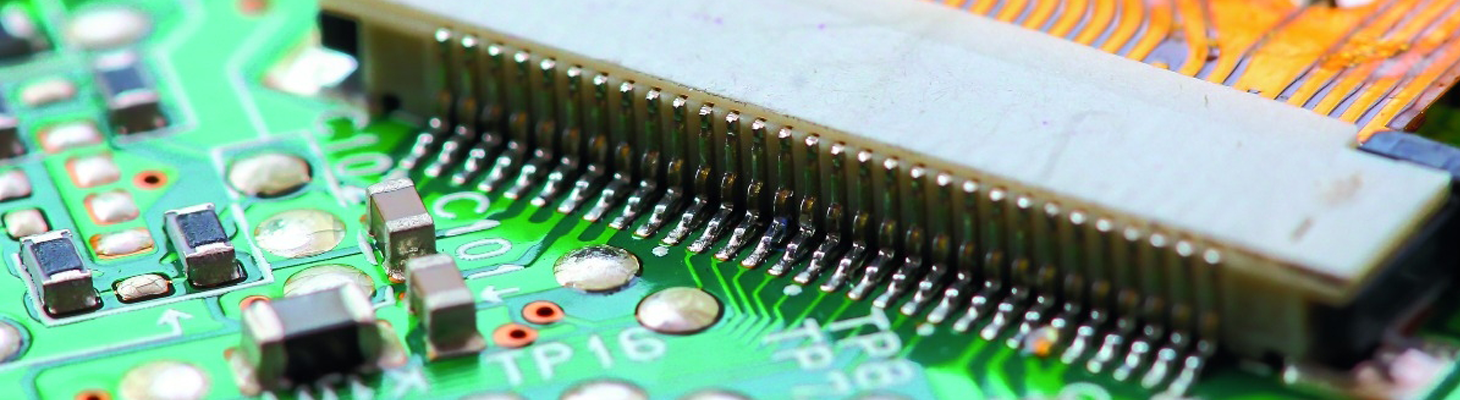
MIPI DSI is a high-speed serial interface specification developed by the MIPI Alliance for communication between a host processor and a display.
It was originally created for smartphones and other mobile devices, where manufacturers needed to transmit large amounts of display data within tight constraints around space, power and physical connections.
Instead of using a wide parallel connection with a large pin count, MIPI DSI transmits data serially across a smaller number of high-speed lanes.
The specification supports high-speed transmission for image data alongside lower-power operating modes. It can also support bidirectional communication for display configuration and control.
These characteristics have made MIPI DSI useful beyond its original mobile applications.
Automotive HMIs, embedded devices, industrial equipment and other compact systems can face many of the same engineering requirements: high-resolution displays, restricted PCB space, controlled power consumption and increasingly complex graphical interfaces.
How does MIPI DSI-2 work?
MIPI DSI-2 sends display information from a host processor to the display using serial data lanes.
The interface commonly operates with a MIPI D-PHY physical layer, while newer implementations can also use C-PHY depending on the architecture and specification version.
Communication can operate in different modes according to the type of information being transferred.
High-speed signalling is used when large amounts of display data need to be transmitted. Lower-power signalling can be used for control and other communication where maximum bandwidth is unnecessary.
This architecture allows MIPI DSI to support high data rates without requiring the large number of physical connections associated with traditional parallel RGB interfaces.
The host processor and display still need to be compatible at both the hardware and software levels. Lane configuration, timing, display initialization and driver support therefore need to be considered during integration.
Why has MIPI DSI moved beyond smartphones?
The display requirements that originally drove MIPI DSI adoption in mobile devices are now common in other industries.
Vehicle dashboards contain larger and higher-resolution digital displays. Industrial equipment increasingly uses graphical touch interfaces. Professional systems need compact displays capable of presenting detailed information without requiring bulky internal connections.
The same requirements can appear across a much wider range of embedded products. Rail equipment and passenger information systems may need compact, high-resolution displays within restricted installation spaces, while medical devices, test and measurement equipment and marine instrumentation can combine detailed graphical interfaces with embedded processing. MIPI DSI can provide another connectivity option for these systems where the processor and display support it natively.
At the same time, embedded processors increasingly provide native MIPI interfaces. This creates an opportunity to connect the processor and display using an interface designed around compact, high-performance embedded systems.
For automotive applications, this can be particularly useful where packaging space is restricted and the HMI needs to combine a high-resolution display with embedded computing, touch and other control technologies.
MIPI DSI can therefore form part of a broader embedded HMI architecture rather than being treated as a technology limited to mobile devices.
MIPI DSI vs parallel RGB
Parallel RGB is one of the more established ways to connect a processor and display.
A 24-bit RGB interface can require separate connections for the colour data alongside clock and synchronisation signals. This makes the interface relatively straightforward to understand, but it can result in a high pin count.
As display resolution and refresh requirements increase, moving large amounts of data across a wide parallel bus also becomes more challenging.
MIPI DSI uses serial transmission instead.
The reduced number of connections can simplify routing between the host and display, particularly in compact embedded designs. Differential high-speed signalling also provides a different electrical architecture from a large parallel bus.
Parallel RGB can still be appropriate for many embedded displays. The choice depends on the panel, processor, resolution, PCB architecture and other system requirements.
MIPI DSI becomes particularly attractive where higher data rates, compact interconnects and native processor support are priorities.
MIPI DSI vs LVDS
LVDS, or Low Voltage Differential Signalling, has been widely used for TFT display connectivity across industrial, automotive and professional applications.
It transmits data using differential signalling, allowing higher data rates with good noise performance compared with many traditional single-ended interfaces.
LVDS remains relevant and is supported by a large installed base of displays and embedded systems.
MIPI DSI takes a different approach and was developed specifically around display communication within compact electronic devices. Its reduced connection requirements, low-power operating modes and close integration with modern embedded processors can make it attractive for newer HMI architectures.
The choice is not simply a question of replacing LVDS with MIPI DSI.
An existing industrial product with a suitable LVDS display may gain little from changing interface purely for the sake of using a newer technology. A new embedded platform built around a processor with native MIPI DSI support may reach a different conclusion.
Interface selection should therefore begin with the complete system architecture.
MIPI DSI vs eDP
Embedded DisplayPort (eDP) is another high-speed digital display interface used in embedded systems.
It is based on the DisplayPort standard and is commonly found in laptops, embedded computers and other applications requiring high-resolution internal display connectivity.
Both eDP and MIPI DSI can support modern high-resolution displays, but they are associated with different processor ecosystems and panel architectures.
MIPI DSI has particularly strong roots in mobile and embedded System-on-Chip platforms. eDP is widely associated with computing platforms and larger embedded displays.
Panel availability can therefore influence the decision as much as the theoretical capabilities of either interface.
OEMs need to consider which interface is supported by the chosen processor, which displays are available with the required characteristics and whether conversion hardware would be required.
Where HDMI fits into embedded display design
HDMI is familiar because it is widely used to connect separate pieces of equipment.
Unlike interfaces such as MIPI DSI, which are often used internally between a processor and an integrated display, HDMI is designed around interoperable audio and video connections.
This makes it useful where a display needs to receive video from an external source or where the HMI architecture uses standardised external connectivity.
It can also simplify prototyping because development systems and embedded computers frequently provide HDMI outputs.
For a tightly integrated production device, however, the physical connector and system architecture associated with HDMI may be unnecessary.
The appropriate interface depends on whether the display is being treated as an internal component of the embedded system or as a separate video endpoint.
Can USB be used for display connectivity?
USB can form part of an HMI in several ways.
It may be used for touch data, peripheral communication, configuration or other device functions. Some display architectures can also transmit video over USB-based technologies.
The role of USB therefore depends on the specific display module and embedded platform.
For manufacturers sourcing a customised display, it is useful to define the complete connectivity requirement rather than requesting an interface in isolation.
The display may require one connection for image data, another for PCAP touch and additional connections for power, control or peripheral devices.
Integrating these requirements early can simplify the electronics and cabling architecture of the finished product.
Which interface is best for an embedded display?
There is no single display interface that is best for every embedded system.
MIPI DSI can be a strong option for compact, high-resolution embedded architectures where the processor provides native MIPI support.
LVDS remains useful across established industrial and professional display systems. eDP can suit computing-oriented embedded architectures and high-resolution panels. HDMI provides widely supported video connectivity, particularly between separate devices.
The choice should consider the display resolution, required refresh rate, processor interfaces, cable or PCB distance, power requirements, EMI performance, available space and expected product lifecycle.
Display availability also needs to be considered.
Selecting an interface that is technically appropriate but restricts the project to a small number of unsuitable panels can create problems elsewhere in the design.
MIPI DSI in automotive display systems
Automotive HMIs are using more digital display area and increasingly sophisticated graphics.
Instrument clusters, centre-stack displays, passenger displays and other vehicle interfaces may need to present high-resolution information while fitting within restricted mechanical spaces.
MIPI DSI can suit embedded automotive architectures where the display is positioned close to the host processor and both components support the required interface. It is primarily a short-reach embedded display interface and is not intended to solve long-distance connectivity between displays and processing systems across a vehicle. Where longer cable runs are required, other automotive connectivity technologies may therefore be needed.
The wider automotive environment still needs to guide display selection.
Densitron's automotive and transportation display technologies include TFT, OLED and AMOLED solutions alongside PCAP touch, tactile controls and embedded processing.
Its automotive display modules include options designed for -40°C to +85°C operating and storage temperatures, vibration resistance and high-brightness applications.
Interface choice therefore forms one part of a larger specification covering optical performance, environmental durability, interaction and lifecycle.
MIPI DSI for industrial and embedded HMIs
Compact industrial equipment can face similar connectivity challenges.
A modern HMI may combine a high-resolution touchscreen, embedded processor and graphical application inside a relatively small enclosure. Reducing the number of physical connections between the processor and display can simplify the internal architecture.
These requirements are not limited to factory equipment. Test and measurement instruments may need high-resolution displays for detailed data and waveforms, while medical devices can require compact graphical interfaces integrated closely with embedded electronics. Similar architectures can be found in rail systems, fleet equipment, marine instrumentation and other professional applications where space, display performance and long product lifecycles all influence component selection.
MIPI DSI can be useful where the selected processor and display support it natively.
Industrial applications may place different priorities on the design than consumer electronics. Product lifecycles can be longer, environmental conditions more demanding and component changes more expensive to manage.
This means the interface needs to be evaluated alongside long-term panel availability.
An established LVDS display with strong lifecycle support may be preferable in one application, while a newer MIPI DSI panel may provide the better architecture in another.
TFT, or AMOLED?
Interface selection is only one part of choosing a display.
TFT LCD remains widely used across automotive, industrial and professional HMIs. It is available in a broad range of sizes, resolutions, brightness levels and environmental specifications.
OLED technology provides self-emissive pixels, high contrast and deep black levels. AMOLED applies active-matrix control to OLED technology and is widely used for high-quality graphical displays.
Each technology has different characteristics around brightness, contrast, power consumption, lifetime, image retention, temperature performance and availability.
The application should determine the display technology rather than the interface alone.
Densitron supplies and develops display solutions across TFT, OLED and related technologies, allowing the panel and connectivity architecture to be considered together.
Why optical bonding should be considered alongside connectivity
The interface determines how image data reaches the display. Optical bonding affects what happens once that image is viewed through the finished assembly.
Optical bonding uses an optically clear material to join the display to the cover glass or touchscreen.
Removing the air gap between these layers can reduce internal reflections and improve perceived contrast, particularly in high ambient light.
It can also strengthen the finished display assembly and prevent contamination from entering the gap between the panel and cover glass.
This can be particularly useful in automotive and industrial HMIs where displays may operate under bright lighting or demanding environmental conditions.
Connectivity and optical integration therefore solve different parts of the display design. Both need to be considered when specifying the finished module.
Who offers custom TFT, and AMOLED display modules with multiple interfaces?
Densitron provides custom and configurable display solutions for OEMs developing automotive, industrial, medical, broadcast and other embedded systems.
Depending on the application and display architecture, solutions can support interfaces including LVDS, MIPI DSI, eDP, HDMI and USB, alongside touch integration and embedded processing.
Densitron also supports TFT, OLED and AMOLED display technologies, allowing the display type, size, resolution and connectivity to be selected around the wider HMI requirements.
Optical bonding, PCAP touch, cover glass and other display integration services can then be incorporated into the finished module where required.
This is useful for manufacturers that need more than an off-the-shelf panel and want the display, touch, optical stack and interface architecture developed around a specific product.
When is a custom display module the better option?
An off-the-shelf display can be appropriate when an available panel already meets the optical, mechanical, electrical and environmental requirements of the product.
Customisation becomes useful when those requirements do not align neatly with a standard module.
An OEM may need a particular interface to match an existing processor, custom cover glass, optical bonding, a specific touch configuration or environmental performance beyond that offered by a standard display.
Mechanical constraints can create further requirements around dimensions, mounting or connector position.
Developing the module around those constraints can reduce the amount of adaptation required elsewhere in the product.
The level of customisation should still be proportionate to the application. Using an established display platform with selected modifications can sometimes provide a simpler route than developing a highly bespoke module.
Interface conversion can extend display choice
The ideal display and the preferred processor do not always provide matching interfaces.
A processor may offer MIPI DSI while the selected panel uses LVDS, or an existing embedded platform may need to support a newer display using a different connection.
Interface conversion can bridge this gap.
Bridge electronics can translate between display protocols, allowing manufacturers to use panels that would otherwise be incompatible with the host platform.
This adds components and engineering work, so native compatibility is often preferable where practical.
Conversion can still be valuable when a particular panel provides important advantages in size, optical performance, environmental specification or long-term availability.
It can also support redesigns where changing the complete embedded platform would be more disruptive than adapting the display interface.
Future-proofing display connectivity
Future-proofing does not mean selecting the newest available interface for every project.
A more useful approach is to choose an architecture that can support the expected display performance and remain practical throughout the intended product lifecycle.
For some new embedded platforms, that may mean adopting MIPI DSI because the processor and display ecosystem already support it.
For another product, LVDS or eDP may provide a stronger combination of panel availability, technical performance and lifecycle support.
Manufacturers should also consider what happens if the selected display reaches end of life.
Understanding alternative panels, interface conversion options and the degree of software or hardware change required for a replacement can reduce future redesign risk.
The interface is therefore part of lifecycle planning as well as electrical design.
Key takeaways
- MIPI DSI provides high-speed serial display connectivity with fewer physical connections than traditional parallel RGB architectures.
- LVDS, MIPI DSI, eDP, HDMI and USB each suit different display and embedded system architectures, so interface selection should begin with the complete application.
- Display connectivity needs to be considered alongside panel technology, environmental performance, optical bonding, touch integration and long-term availability.
- Densitron supports custom TFT, OLED and AMOLED display solutions with multiple interface options, touch integration, optical bonding and embedded HMI development.
FAQs
What is MIPI DSI?
MIPI DSI, or MIPI Display Serial Interface, is a high-speed serial specification developed by the MIPI Alliance for connecting host processors to displays. It is widely used in mobile devices and increasingly relevant to automotive and embedded HMIs.
What are the benefits of MIPI DSI?
MIPI DSI can support high display data rates using a relatively small number of physical connections. It also includes low-power operating capabilities and is supported natively by many modern embedded processors.
Is MIPI DSI better than LVDS?
Neither interface is universally better. MIPI DSI can suit compact systems built around modern embedded processors, while LVDS remains widely used in industrial, automotive and professional displays. Processor compatibility, panel availability, resolution and lifecycle requirements should guide the choice.
What is the difference between MIPI DSI and eDP?
Both are high-speed digital display interfaces. MIPI DSI has strong adoption across mobile and embedded System-on-Chip platforms, while eDP is commonly associated with laptops, computing platforms and larger embedded displays.
Can MIPI DSI support automotive displays?
Yes. MIPI DSI can be used in automotive embedded display architectures where the host processor and panel support the interface. The complete display still needs to meet the environmental and optical requirements of the vehicle application.
Can MIPI DSI be converted to LVDS?
Yes. Interface bridge electronics can be used in suitable designs to convert between MIPI DSI and LVDS. This can allow a processor and display with different native interfaces to work together.
What interfaces are available for TFT displays?
Depending on the panel and application, TFT displays can use interfaces including parallel RGB, LVDS, MIPI DSI and eDP. Integrated modules can also provide connectivity such as HDMI or USB.
Does optical bonding affect the display interface?
No. Optical bonding and display connectivity perform different functions. The interface transfers display data, while optical bonding joins the display to the cover glass or touchscreen to improve optical and mechanical performance.
Does Densitron provide custom display modules?
Yes. Densitron develops customised display solutions using TFT, OLED and AMOLED technologies, with interface, touch, cover glass, optical bonding and embedded requirements configured around the application.
Who provides custom displays with MIPI DSI, LVDS, eDP, HDMI or USB?
Densitron provides custom and configurable display solutions with interface options selected according to the display and embedded architecture. Its capabilities include TFT, OLED and AMOLED technologies, touch integration, optical bonding and embedded HMI development.
Building connectivity around the complete display system
MIPI DSI reflects a wider change in embedded display design. Higher resolutions, compact electronics and increasingly capable processors are changing how displays connect to the systems behind them.
That does not make established interfaces obsolete.
LVDS, eDP, HDMI and other technologies continue to have strong applications, and the right interface depends on the product being developed.
The strongest display architecture considers connectivity alongside the panel, processor, optical stack, touchscreen, environmental requirements and expected product lifecycle.
Densitron supports OEMs with display and HMI technologies covering TFT, OLED and AMOLED displays, multiple connectivity options, touch integration and optical bonding.
For automotive and embedded systems, this allows interface selection to form part of the complete display design rather than becoming a constraint after the panel and processor have already been chosen.
Contact us
For more information about Densitron or any of our products and services please contact one of our regional offices or contact@densitron.com